
Article: Mastering Sunrise Photography: A Guide to Capturing the Dawn
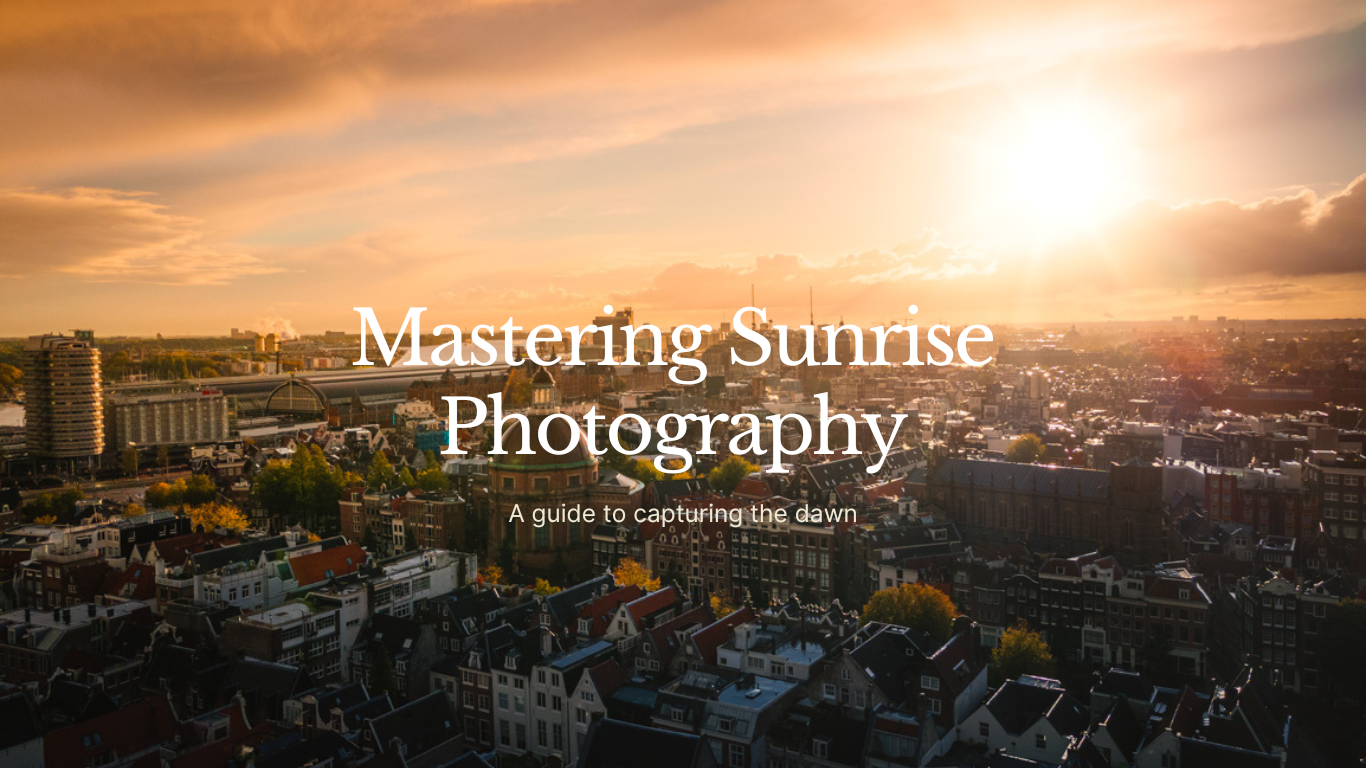
Mastering Sunrise Photography: A Guide to Capturing the Dawn
1. Plan Ahead: The key to successful sunrise photography is preparation. Research the exact time of sunrise and scout your location in advance. Arrive at least 30 minutes before the sun rises to set up your equipment and choose your composition.
2. Use a Tripod: Low light conditions during sunrise require a steady camera to avoid blurry images. A sturdy tripod is essential for keeping your camera stable, especially when using slower shutter speeds.
3. Camera Settings: Set your camera to manual mode to have full control over the exposure. Start with a low ISO to reduce noise, a narrow aperture (such as f/8 to f/16) for greater depth of field, and adjust the shutter speed to achieve the correct exposure.
4. Capture the Transition: Don’t just focus on the moment the sun appears above the horizon. The time leading up to and just after sunrise, known as the "blue hour," offers beautiful cool tones and soft light that can add a magical quality to your photos.
5. Incorporate Foreground Elements: Including elements like trees, rocks, or water in the foreground can add depth and interest to your composition. These elements can also help to frame the rising sun and create a more balanced image.
6. Experiment with White Balance: The color temperature during sunrise can vary greatly, so experiment with your camera’s white balance settings. Try setting it to ‘cloudy’ or ‘shade’ to enhance the warm tones of the morning light.
7. Post-Processing Tips: After the shoot, use post-processing software to fine-tune your images. Adjust the exposure, contrast, and color balance to bring out the best in your photos, but be mindful not to overdo it.
By mastering these techniques, you can capture the serene beauty of sunrise and create images that are both inspiring and memorable.
Frequently Asked Questions
How do I plan for sunrise photography?
Start by researching your location the night before. Use apps like PhotoPills or The Photographer's Ephemeris to determine the exact sunrise time, direction, and golden hour window. Scout your composition in advance if possible. Arrive at least 30 minutes before sunrise to set up your gear and capture the pre-dawn blue hour colors.
What camera settings should I use for sunrise photos?
For sunrise photography, start with a low ISO (100-400), an aperture of f/8 to f/16 for sharpness across the frame, and adjust your shutter speed based on the available light. Use manual mode for full control. Shoot in RAW format to capture the maximum dynamic range, which is essential for balancing the bright sky and darker foreground.
How is sunrise photography different from sunset photography?
While both share golden hour light, sunrise photography often offers calmer conditions with less wind, fewer people, and mist or fog that adds atmosphere. The color palette tends to shift from cool blues and purples to warm golds and pinks. Sunrise also requires more planning since you need to be in position before the light arrives, unlike sunset where you can watch the light develop.